DS1925 High-Capacity Long-Mission Logger
Up to 125,440 timestamped readings per the datasheet — 15× the DS1922L, enough for a year-long mission at one point per 5 min.
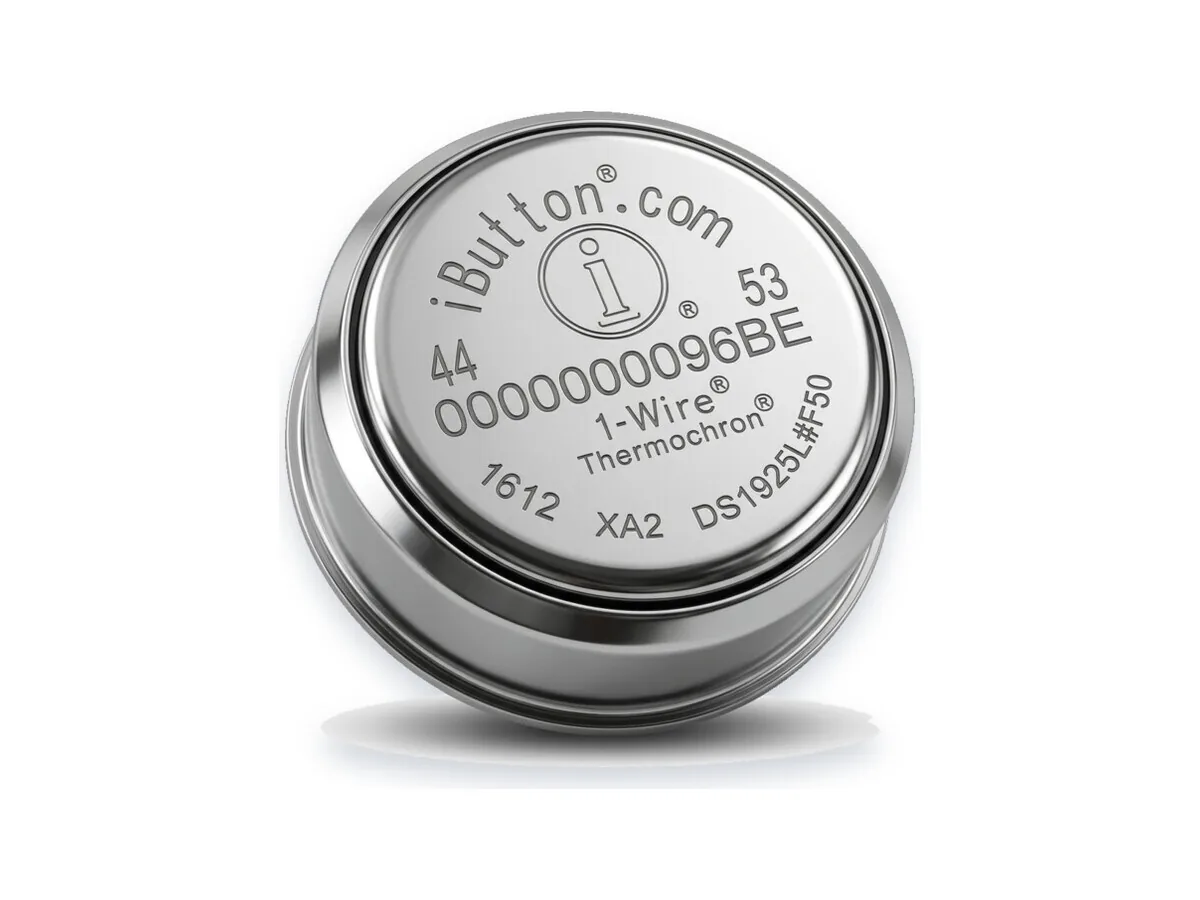
Built for the capacity problem. On a long ocean crossing or a multi-month warehouse mission, an 8 KB logger must either sample coarsely or roll over and overwrite the beginning of the trip — exactly the part an insurance claim asks about. With 122 KB of data-log memory the DS1925 stores 125,440 timestamped values at ±0.5 °C, so a fine sample interval and a complete unbroken record are no longer mutually exclusive. It also reports its own remaining battery level, and is specified to still output logged data if the battery has since been depleted (all per the original manufacturer's datasheet; confirm for the supplied version).
Ordering information
| MOQ | Confirmed by model and order when quoting |
|---|---|
| Preparation time | Availability and lead time are confirmed by model and order when quoting |
| Packing | Confirm pack quantity, protection and labelling for the selected model. |
| Samples | Sample quantity, fees and shipping are confirmed for the selected model. |
| Payment | Agree payment terms and the payee in the quotation and invoice. |
| Shipping | Confirm the shipping method, cost and timing for your destination and order. |
| Customization | State ROM, colour, marking and packing needs; feasibility and cost require confirmation. |
Long missions, large memory
122 KB versus 8 KB — fifteen times the memory of a DS1922L (per the original manufacturer's datasheets). On a 120-day sea freight at one reading every 15 minutes (11,520 points), an 8 KB logger at 8-bit resolution (8,192 readings) overwrites nearly the first third of the voyage; the DS1925 holds all 11,520 points with room to spare, or, at 8-bit resolution, lets you sample every 5 minutes for a full year. Among the loggers listed here it is also the one specified to report its remaining battery level and to output its log after the battery has died. Consider it when the mission is long, unattended, or the beginning of the record matters as much as the end.
Key features
- Original DS1925 reference: 122 KB temperature-log memory for long-duration recording missions.
- The original supports 8-bit or 16-bit records, sampling from 5 minutes to 273 hours, and battery-level reporting.
- Specify the mission duration and resolution, and confirm battery, calibration, software and enclosure requirements for the quoted unit.
Specifications
| Chip / compatibility | DS1925 · family code 53h |
|---|---|
| Memory | 122 KB data log = 125,440 timestamped values (122K 8-bit or 61K 16-bit) + 512 B user memory |
| Operating temperature | −40 to +85 °C · ±0.5 °C measurement accuracy — per the original manufacturer's datasheet; confirm for the supplied version |
| Protocol | Sample rate 5 min to 273 h; start immediately, after a delay, or on a temperature alarm; two-level password protection (per the original manufacturer's datasheet; confirm for the supplied version) |
| Options | Reports internal battery level; outputs logged data even after the battery is depleted (per the original manufacturer's datasheet; confirm for the supplied version) |
| Package | F5 stainless can · storage or operation above +50 °C significantly shortens battery life (per the original manufacturer's datasheet) |
Inside the stainless can
Typical construction of this can format: a stainless-steel shell, an insulating grommet separating lid from base, and the chip bonded inside. Lid = data contact, base = ground return. Wall thickness, grommet material and other construction details: confirm for the supplied version.
Which logger should you order?
The four Thermochron / Hygrochron loggers side by side — specifications per the Analog Devices datasheets.
| DS1921G | DS1922L | DS1923 | DS1925 | |
|---|---|---|---|---|
| Measures | Temperature | Temperature | Temperature + humidity | Temperature |
| Range (per original datasheet) | −40 to +85 °C | −40 to +85 °C | −20 to +85 °C · 0–100 % RH | −40 to +85 °C |
| Accuracy (per original datasheet) | ±1 °C | ±0.5 °C | ±0.5 °C · ±5 % RH | ±0.5 °C |
| Best resolution (per original datasheet) | 0.5 °C | 0.0625 °C | 0.0625 °C · 0.04 % RH | 0.0625 °C |
| Log capacity | 2048 readings | 8192 readings (8 KB) | 8192 readings (8 KB) | 125,440 readings (122 KB) |
| Fastest sample rate | 1 min | 1 second | 1 second | 5 min |
| Histogram | Yes — 63 bins at 2 °C | — | — | — |
| Password protection | — | Two-level | Two-level | Two-level |
| Family code | 21h | 41h | 41h | 53h |
| Choose it when… | High-volume cold-chain shipments where a simple logger is enough | Process monitoring, fast excursions, tighter accuracy | Condensation, mould, corrosion — RH matters | Long ocean freight, long unattended missions |
Typical applications
Frequently asked questions
How much longer can a DS1925 record than a DS1922L?
Per the original manufacturer's datasheets, about fifteen times: 122 KB of data-log memory holding 125,440 timestamped values, against 8 KB and 8192 readings; confirm for the supplied version. In practice that means you can keep a 5-minute sample interval for roughly a year, so an 80-day sea crossing at 5-minute intervals stays intact rather than losing nearly two-thirds of its early record to rollover (a DS1922L would hold only about 28 days at that interval). Its minimum interval is 5 minutes, so for second-by-second work the DS1922L is still the right tool.
What happens if the battery dies during a long mission?
Per the original manufacturer's datasheet, the DS1925 is designed for exactly this risk: it measures and reports its own internal battery level, so you can check the remaining capacity before committing it to a long mission, and it is specified to still output the logged data even after the battery has been depleted — the record survives the device. Confirm for the supplied version. Note that storing or operating it above +50 °C shortens battery life significantly, so keep spare units cool.
Related products
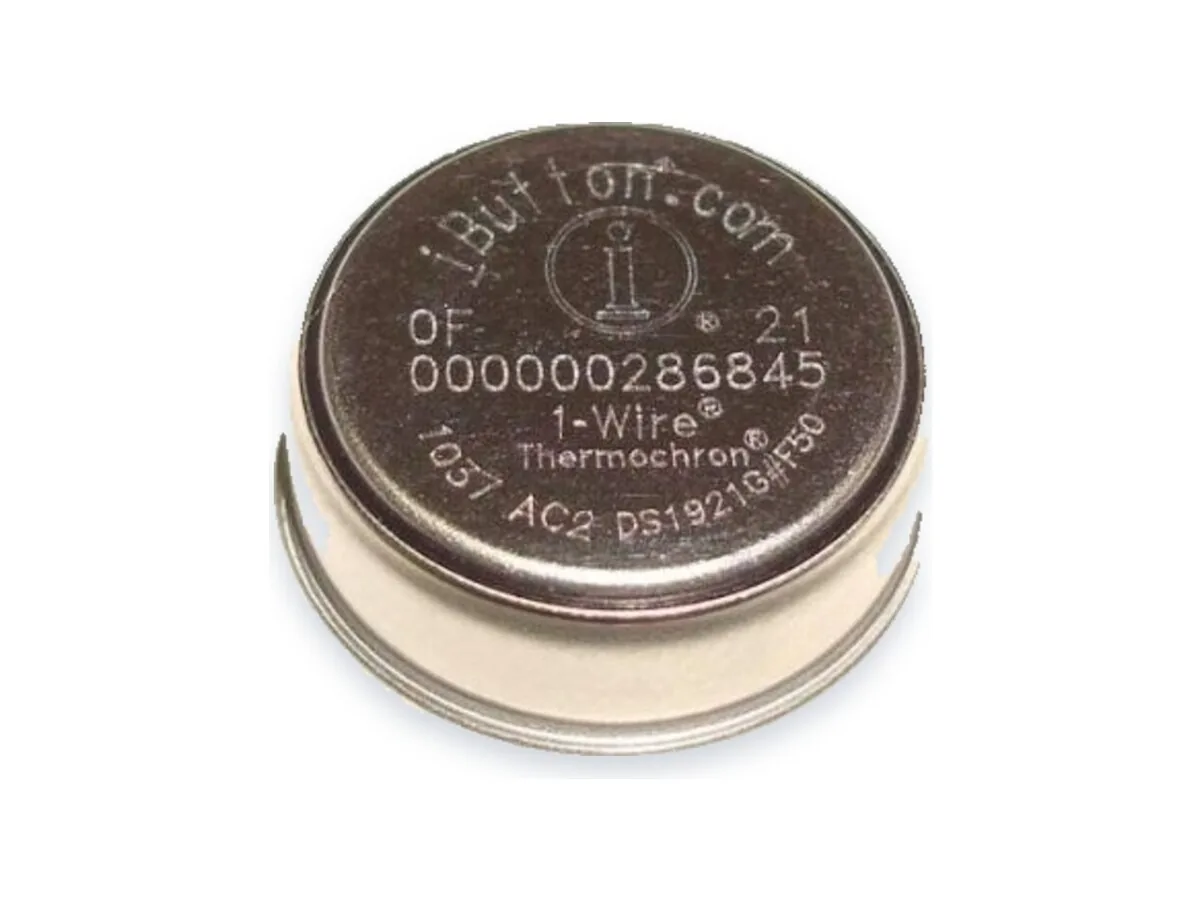
DS1921G Thermochron Temperature Logger
A cold-chain logger: 2048 timestamped readings plus a built-in histogram, −40 to +85 °C.
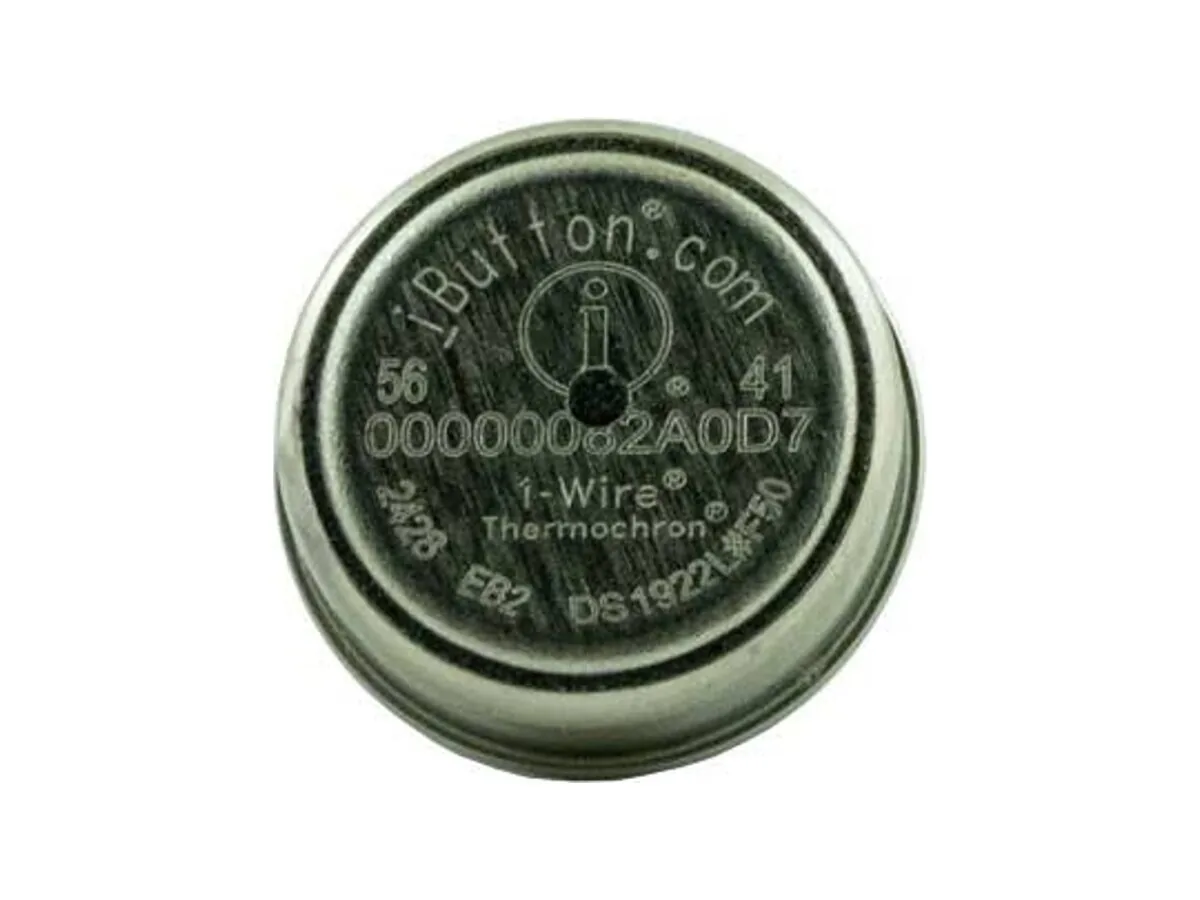
DS1922L High-Resolution Temperature Logger
±0.5 °C accuracy and 0.0625 °C resolution per the datasheet, sampling as fast as once per second.
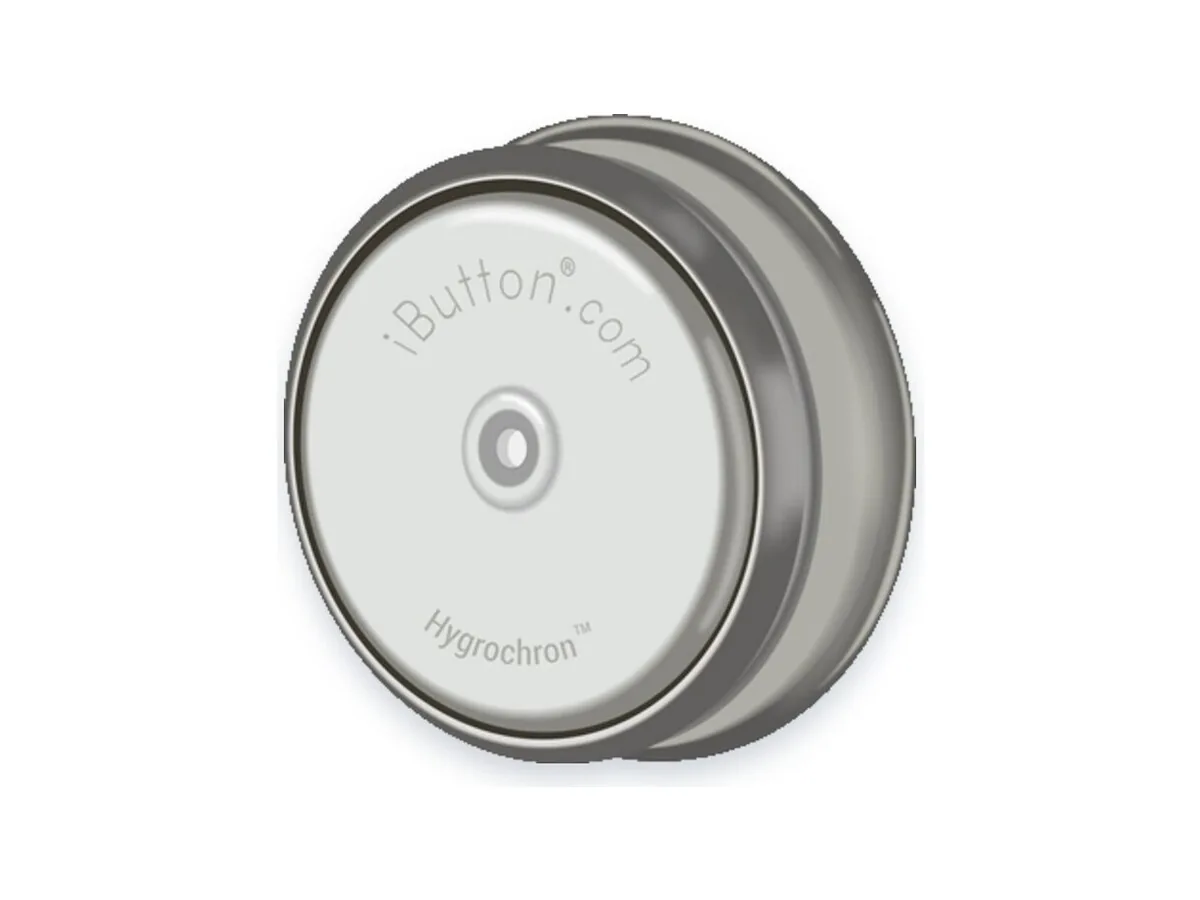
DS1923 Hygrochron Temperature + Humidity Logger
Logs relative humidity — 0–100 % RH alongside temperature, from one stainless can.