DS1994 4 Kbit NV RAM + RTC iButton
Memory plus a clock, interval timer, cycle counter and alarms in one token.
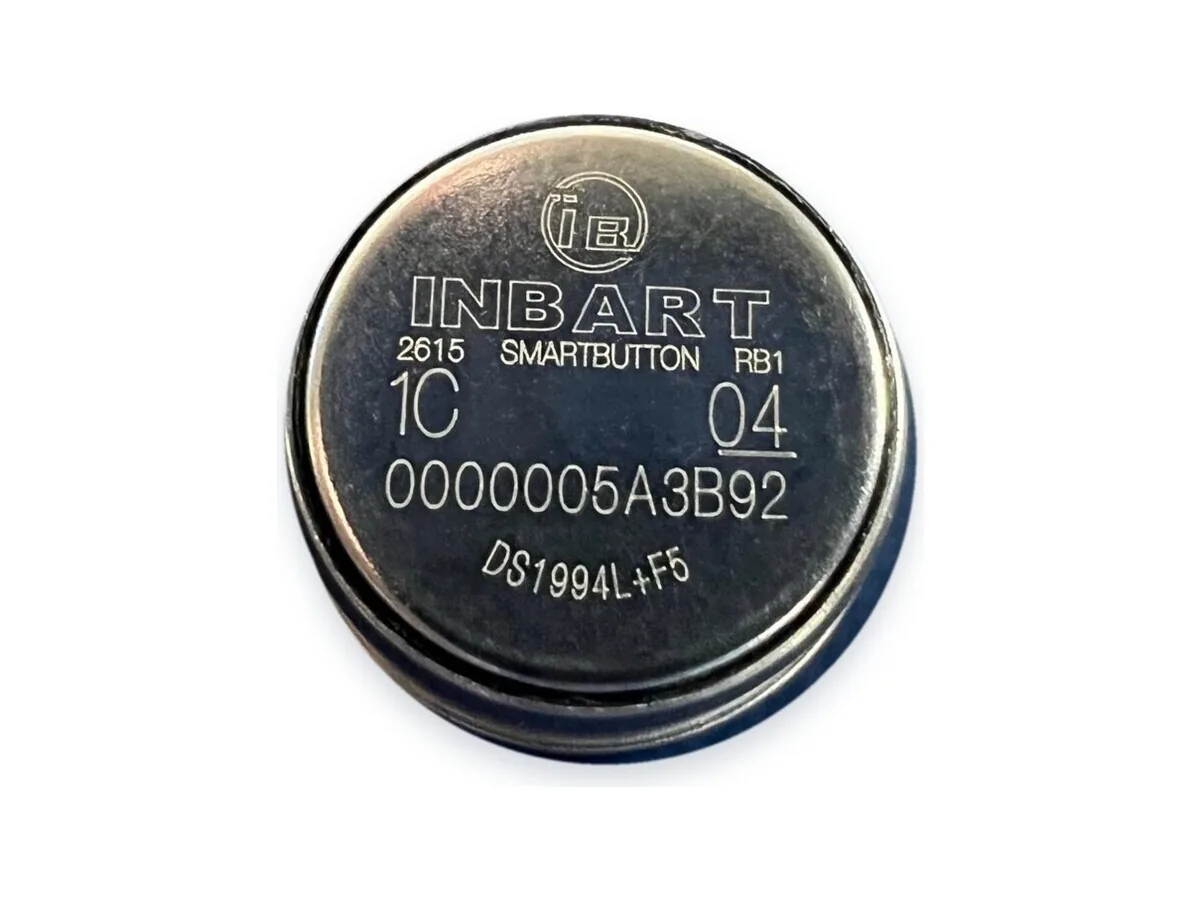
A feature-rich memory iButton: 512 bytes of battery-backed NV RAM combined with a real-time clock (1/256-second resolution), an interval timer that accumulates power-on time, a cycle counter that counts power on/off events, and programmable alarms with 1-Wire interrupts on all three. Write-protect bits are designed to protect the time data from tampering, and a write-protected counter can expire access — turning the token read-only after a set time or usage. Suited to time-limited and usage-limited access, metering and audit trails (per the original manufacturer's datasheet; confirm for the supplied version). Shares its die with the DS2404 chip.
Ordering information
| MOQ | Confirmed by model and order when quoting |
|---|---|
| Preparation time | Availability and lead time are confirmed by model and order when quoting |
| Packing | Confirm pack quantity, protection and labelling for the selected model. |
| Samples | Sample quantity, fees and shipping are confirmed for the selected model. |
| Payment | Agree payment terms and the payee in the quotation and invoice. |
| Shipping | Confirm the shipping method, cost and timing for your destination and order. |
| Customization | State ROM, colour, marking and packing needs; feasibility and cost require confirmation. |
A token that can carry its own expiry
Memory and a clock together change what a key can do. Because the DS1994 has a real-time clock, an interval timer that accumulates powered-on time and a cycle counter — all with programmable alarms and all protectable by write-protect bits — access rights can live inside the token instead of inside the controller. A contractor key that stops working next Friday, or after 200 uses, can be built this way without updating a central database when it expires (this depends on your controller firmware; test a sample on your own system before ordering). Among the parts listed here, the DS1904L has the clock but no memory and the DS1993 has the memory but no clock.
Key features
- Original DS1994 reference: 4 Kbit nonvolatile memory plus a real-time clock, interval timer and cycle counter.
- Original-device alarms and write-protection settings support time and usage records through the host’s control logic.
- Test the clock, counter and memory commands your installation uses; confirm battery condition and expiry configuration before replacement.
Specifications
| Chip / compatibility | DS1994 · family code 04h · chip-form DS2404 |
|---|---|
| Memory | 4 Kbit NV RAM (16 pages × 256 bits) + RTC + interval timer + cycle counter + alarms |
| Protocol | 1-Wire, 16.3 kbit/s; RTC 1/256 s resolution, ±2 min/month at +25 °C — per the original manufacturer's datasheet; confirm for the supplied version |
| Package | F5 can |
| Operating temperature | −40 to +70 °C; over 10 years data retention — per the original manufacturer's datasheet; confirm for the supplied version |
Inside the stainless can
Typical construction of this can format: a stainless-steel shell, an insulating grommet separating lid from base, and the chip bonded inside. Lid = data contact, base = ground return. Wall thickness, grommet material and other construction details: confirm for the supplied version.
Which memory iButton do you need?
The whole memory range side by side, grouped by storage technology — capacities and family codes per the Analog Devices datasheets.
| Model | Family code | Capacity | Memory technology | Pick it for |
|---|---|---|---|---|
| DS1971 | 14h | 256 bit + 64-bit OTP | EEPROM — battery-free | Asset tag: a locked ID beside rewritable data |
| DS1972 | 2Dh | 1 Kbit (128 B) | EEPROM — battery-free | Per-page write-protect or EPROM-emulation modes |
| DS1973 | 23h | 4 Kbit (512 B) | EEPROM — battery-free | Battery-free rewritable memory (4 Kbit); production travellers |
| DS1982 | 09h | 1 Kbit (128 B) | EPROM — add-only; written data is not erasable (per datasheet) | Add-only records such as checkpoints and certificates |
| DS1985 | 0Bh | 16 Kbit (2 KB) | EPROM — add-only; written data is not erasable (per datasheet) | Append-only service history (16 Kbit) |
| DS1992 / DS1993 | 08h / 06h | 1 Kbit / 4 Kbit | NV RAM — battery-backed, high write endurance (per datasheet) | Data that changes constantly on the key |
| DS1996 | 0Ch | 64 Kbit (8 KB) | NV RAM — battery-backed, high write endurance (per datasheet) | Portable database — 64 Kbit NV RAM |
| DS1994 | 04h | 4 Kbit + RTC | NV RAM + clock, timer, counter, alarms | Time- or usage-limited access with the expiry held in the key |
| DS1904L | 24h | No user memory | Real-time clock only | Give a microcontroller a real-time timebase |
| DS1991 | 02h | 1152 bit = 3 × 384 bit | Secure NV RAM — three password zones | Legacy multi-tenant systems (not for new secure designs) |
| DS1961S | 33h | 1 Kbit + 64-bit secret | EEPROM + SHA-1 challenge–response | Authentication: proves it knows a secret (assess cloning risk for your own system) |
Typical applications
Frequently asked questions
How does a DS1994 make a key expire on its own?
It carries its own real-time clock, an interval timer that accumulates powered-on time and a cycle counter, each with a programmable alarm. Because those registers can be write-protected, a controller can read the token's own clock or counter and refuse access once a date or usage limit is passed — the entitlement travels inside the key instead of a central database, which is why it suits contractors, rentals and metered service.
Related products
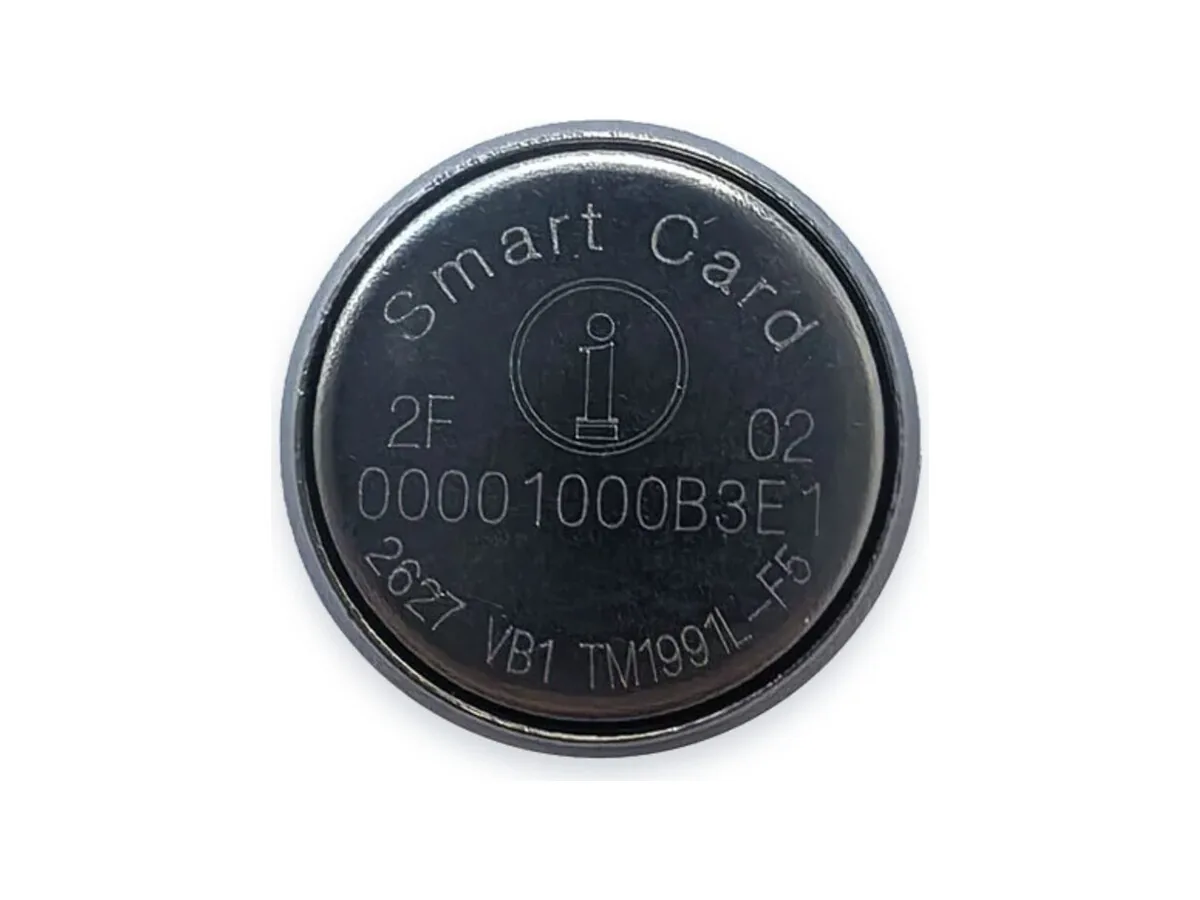
DS1991 MultiKey iButton
Three password-protected 384-bit subkeys in one button.
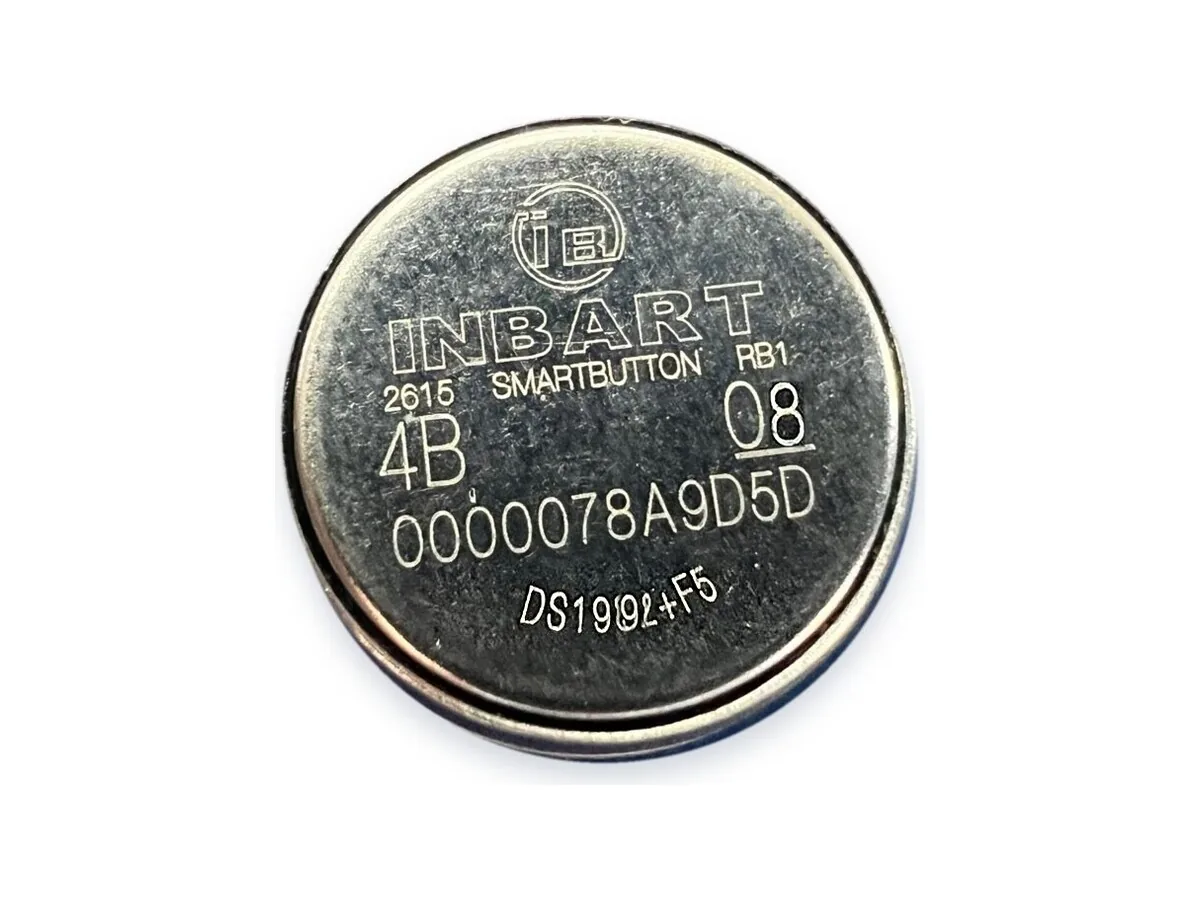
DS1992 / DS1993 Memory iButton
1 Kb and 4 Kb NV RAM tokens for carrying data on the key.
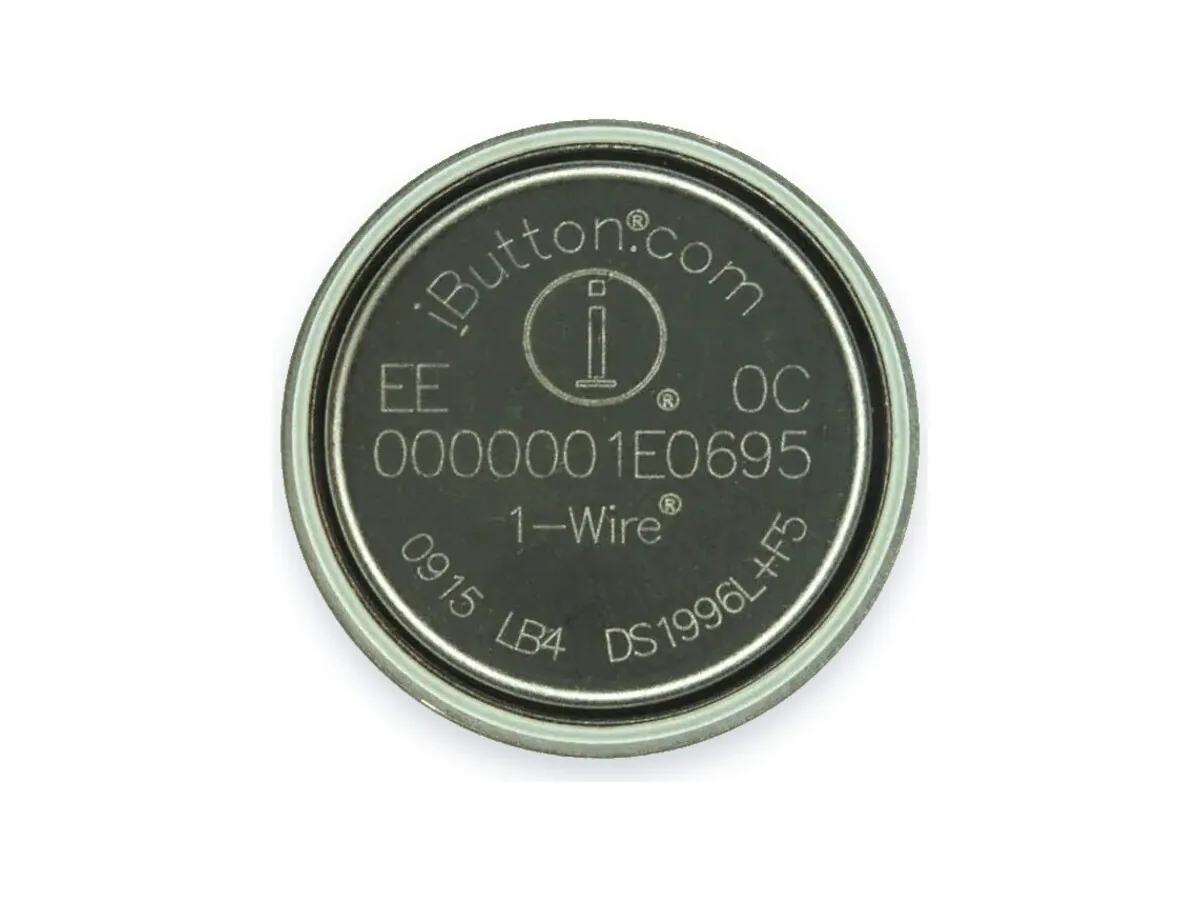
DS1996 64 Kb Memory iButton
The large-memory token — 64 Kb of rewritable NV RAM.
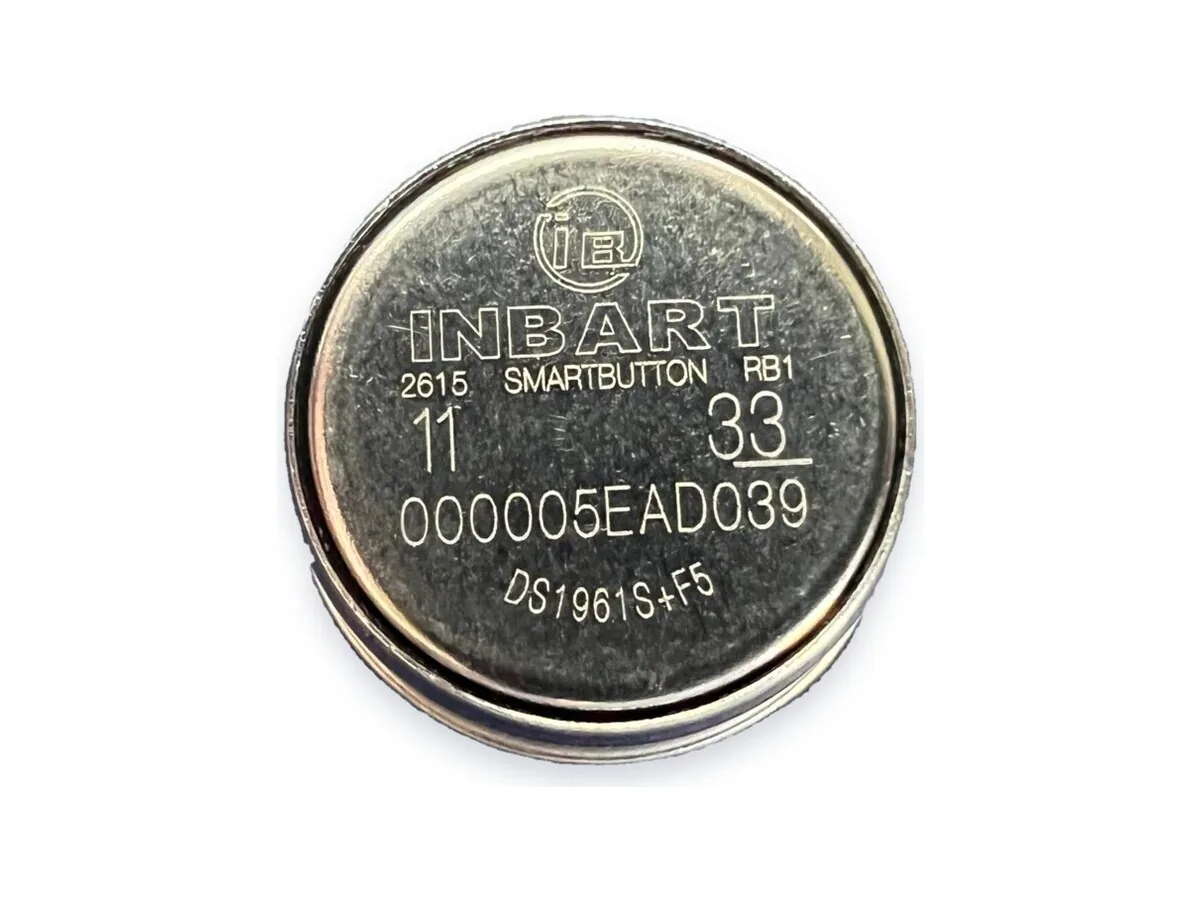
DS1961S SHA-1 Authentication iButton
1 Kb EEPROM with on-chip SHA-1 challenge–response.